
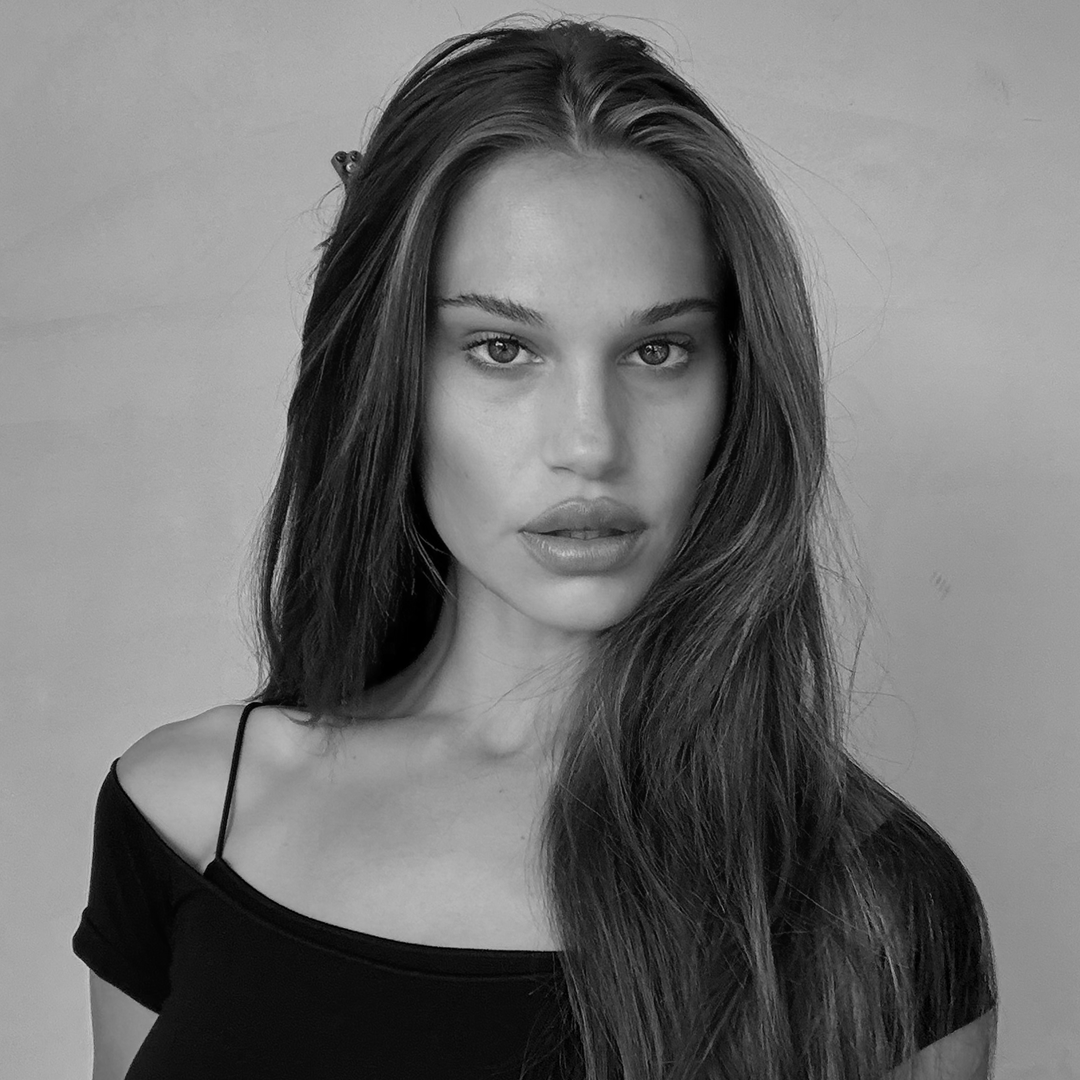
Model and actress Meredith Mickelson joins Elizabeth Vargas on Heart of the Matter to discuss her brother Daniel, who died at 23-years-old from a fentanyl-laced cocaine overdose. She describes the progression of Daniel’s substance use, the gap between his public persona and his private struggles, and how her family navigates grief. She also discusses using her platform to raise awareness about addiction and how to help someone experiencing an overdose.
Content warning: This episode contains mentions of death, as well as in-depth discussions of substance use. If you or someone you know is struggling with a mental health or substance use disorder, please contact SAMHSA’s National Helpline at (800) 662-4357. These programs provide free, confidential support 24/7. You are not alone.
Related Reading
Explore more on topics and themes discussed in this episode:
 Learn More

Episode Transcript
Elizabeth Vargas:
Meredith Mickelson, welcome to Heart of the Matter. It’s so great to have you on the podcast. We’re here today honestly to talk about your brother and to talk about something a lot of people don’t talk about…
Meredith Mickelson:
Absolutely.
Elizabeth Vargas:
…which is losing somebody. There are a lot of people in this country, we know the numbers, tens of thousands every year, who lose a loved one to this disease.
Meredith Mickelson:
Yes.
Elizabeth Vargas:
And people don’t talk about that.
Meredith Mickelson:
No one talks about it. No one talks about it because I think no one wants to face it because I think no one wants to accept the fact that… I mean that was once me too… my family, like you think it’s not going to happen to you. It’s just fun and it’s lucid. You’re just living your life, and I just don’t think anyone wants to face the reality of the dangers in it. I have a thing where it’s like my kind of outlook, you can’t stop people in the world from doing drugs, period. I think that’s just an impossible thing to be like, “Everyone…” I wish I could. It would be amazing to say that. But I think the important thing for, I think, young kids and everyone growing up and stuff is to stop it and do it safely. I mean, again, if I could tell you not to do it at all, I a thousand percent would. I don’t think that’s realistic, but there’s ways to do it safely and there’s ways to be educated on a lot of what’s happening to a lot of people. And I know a lot of people have lost people they know too, but again, I just feel like until it happens to you, it’s not as real, if that makes sense.
Elizabeth Vargas:
Yeah. Tell me about Daniel. How did he start using substances? Why do you think he started using substances?
Meredith Mickelson:
Absolutely. I think, well, number one, he went to Alabama. I’m from Georgia. So he went to Alabama, which is a big party school, and it’s what they’re known for. A lot of partying. But it wasn’t up until I think college to where he got the exposure of drugs and the normalcy of drugs. I think it was just normal. Everyone did it. It was a thing and that’s where it started for him. And then I think when he moved out to LA, it’s also insanely normal here, especially at that time when we’re younger and we’re not as educated. And then I think it kept going and going.
And again, the sad thing is I think with kids is you get rewarded. Right? You’re going out, you’re doing these drugs, you make the friends, you get the connections. You’re out with these people who are well-known, and it’s all so, what’s the punishment? You know what I mean? What’s the downside up until it’s the biggest downside ever? But I think it’s really hard for a young kid. I think now that I’m older, I realize how young my brother was when he died because he’s always my older brother.
Elizabeth Vargas:
He was 23.
Meredith Mickelson:
23. And I think to realize that, that’s so young. That’s crazy young, and so much of a life to be lived. And I just don’t think at that age you have the… You think you’re invincible. You don’t think it’s a big deal until, of course it is. But yeah, I think that’s how it started. It was just the environment.
Elizabeth Vargas:
You just raised something that I was going to raise with you anyway, but that invincibility. That’s part of… I have two sons who are in college right now and I have talked to them a lot about substances and warned them. I’ve tried to pick the realistic path. I know you’re going to drink. Whatever you do, do not do drugs. Do not do drugs. You don’t know. Fentanyl. You find them everywhere. It can be in anything. But I see this when I talk to them. Kids in high school and college, even in their early 20s out starting out in the world, they don’t think bad things are going to happen to them. Why would they? Especially young men and boys think they are invincible.
Meredith Mickelson:
Yes, they do. I mean, I thought I was invincible. My parents thought we were invincible. My brother thought he was invincible. My family, I feel like I come from the most normal Southern, Christian, parents-are-so-involved household of what could go wrong. You know what I mean? I was very blessed and have the most amazing family in the world, and we’re all so close. So I think when it happened to us, it was just like for me, or our family personally, it was just a shock. The whole thing, it was just the shock factor of, what? How? That’s crazy.
I think it’s amazing that your young boys have you as such a sounding board to know the importance of da, da, da. Because it’s really hard to nail it out in their brains. My parents tried so many times. I tried so many times, but it’s less about when you think… You don’t think someone’s going to die. You just don’t want them to ruin their life. It’s like, let’s get you in sobriety. Let’s get you in AA. Let’s get you on the right path. It was never like, let’s save your life. Of course in theory, it might’ve been, but no one’s thing was like, “Oh, he’s going to die tomorrow if he keeps doing this.” So that was more of the thing. I think your kids have a very amazing inspiration.
Elizabeth Vargas:
It probably goes in one ear and out the other.
Meredith Mickelson:
Well, it’s boys.
Elizabeth Vargas:
So Daniel actually did try to quit. He was in a 12-step program. Did he go to rehab? What happened?
Meredith Mickelson:
He didn’t go to rehab. He actually hit a point where he was like, “I hate this. I don’t want to do this anymore.” And I think he felt almost, like I said earlier, obligated because it’s how… He was known as the fun nightlife. He was known as that fun, amazing party guy. And I almost feel like it was an insecurity of “I might not be enough if I don’t do this,” which I feel like a lot of kids feel. I mean, I felt that. I was like, I don’t party. I don’t do anything. And I used to be so insecure about not having that side of myself until I obviously grew up and realized. But yeah, he tried to quit. He went to AA and he was sober off alcohol for I think over a year. And then I think cocaine was, I want to say eight months he was sober of coke.
It could be, I don’t remember the dates. He did it, and he was like, “I’m so over it. I want to focus on acting. I don’t want to be seen as this.” And then on my birthday he ended up having a slip up, and then three days later he passed away. So it was just one small slip up was unfortunately the cost of his life, but the whole thing is just crazy to me. Everything of the way it happened is just absolutely insane to me. It was the craziest thing ever. I can’t even wrap my head around it still to this day. But yeah, he wanted to get sober. He didn’t want to be that guy.
And I think what I stress so importantly when I talk about him and I do try and spread his message is he was so much more than just, he went out and partied. There was so much more to my brother. And I think when you see someone who dies of a substance, you think, “Oh my God, they were addicted. They were struggling so much with it.” And he was, don’t get me wrong, but… He was a normal 23-year-old who partied in LA. I try and stress that so, so, so much because I don’t want him to have the reputation of this was his whole entire world, and tore everything apart. And yeah, he did try and quit. And he did quit for a while.
Elizabeth Vargas:
No, that’s important because this can happen to anyone. Anyone.
Meredith Mickelson:
For sure.
Elizabeth Vargas:
That’s why drugs are so dangerous right now.
Meredith Mickelson:
Absolutely.
Elizabeth Vargas:
Anybody can buy a pill or buy a bag of coke or buy a Percocet.
Meredith Mickelson:
Anything. Yeah.
Elizabeth Vargas:
And it could be laced with fentanyl and it can kill you.
Meredith Mickelson:
Yeah, it’s insane. I think it’s such a big, big, big problem. And I talked about this before in an interview recently, but I think especially in my industry, it’s so glamorized. I personally strongly feel that way. The heroin’s chic and the da, da, da. Everything’s so thrown around. And look, I get it’s fashion. I get it’s Hollywood. I’m very aware. I don’t judge anyone in any way, shape, or form, but I do wish there were some more honest people who stepped up and was like, “This isn’t necessarily cool.” It’s not the goal… The way, “Oh, she’s doing coke.” It’s so thrown around. And I just wish there was more warning to the young community of it is very dangerous. Fentanyl is such, such a horrible thing that a lot of people are dying by, and it’s just so not talked about. So I really admire you that you have this, and are so… I really do.
Elizabeth Vargas:
What were Daniel’s drugs of choice? Was it alcohol? Was it cocaine? Was it something else as well?
Meredith Mickelson:
It was just his main thing was alcohol and coke. And alcohol led to the coke. I think he dabbled in other things, but that was his kryptonite. That was the things that he wanted to get under control. And he cried to me. He’s like, “I don’t want to do this anymore. I don’t want to be led by this. I don’t want this to control my… I don’t want to have that thought of it.” And I think when I was younger, I didn’t understand, and I want to stress it’s a disease. I didn’t necessarily understand it’s a literal disease. I think I was just like, “Stop. You have to stop.” My family was like, “You have to stop.” We had interventions with him literally the night before he passed away, my family and I sat down with him.
Elizabeth Vargas:
What did you say to him in that intervention the night before he died?
Meredith Mickelson:
Yes. It’s very interesting because I was mad at him the night… I laugh because, of course, because we’re super, super close and we talk every day. We hang out every day, we talk every day, but I knew he had done coke on my birthday because I could tell by the mouth, I got really good at reading the signs. I was mad at him. I was like, “You say you want to quit” I didn’t really quite understand the illness side of it completely, but I remember I think my parents sat him down and everything was done in a loving way of like, “You need to stop this,” because we knew how much it was hurting him. We tried to hold him accountable. We tried to… I don’t even remember exactly what was said to him. It was something along the lines of, “Let’s get you back in the AA program,” because I think he had stepped out of it because he was doing really well. And, “Let’s make the steps of, do you want us to hold you accountable with drug testing? Do you want… ”
Because he wants the help. And I think it was something along those lines of, let’s figure out why you’re doing this. Let’s figure out, let’s sit down and have a thing. And then my parents actually left that morning, the next morning back to Georgia. And then unfortunately, they got a phone call when they land in Georgia, horrible timing, couldn’t be worse timing. There were no flights back to LA. And they came the next day, obviously.
But really everything was just, I don’t know if it was a God protection thing. I think back and I’m like, I never am with six friends at once. I had six of my girlfriends with me in the apartment. I had just gotten home from going to Malibu, and that’s when they called me, and then I heard the ambulance. It was just all so… The whole way it happened, I almost feel like it’s a blessing that my parents weren’t with me in that moment because I feel like they needed to… I don’t know if all three of us freaking out together would’ve been beneficial for anyone in that moment. So I don’t know. It was crazy. The whole thing is definitely wild, and something that I wish upon no one ever.
Elizabeth Vargas:
You and your brother, we should say, you had apartments in the same apartment building.
Meredith Mickelson:
Yes.
Elizabeth Vargas:
Yeah.
Meredith Mickelson:
Yes. We had apartments in the same apartment building. He was on the seventh floor on the balcony. I was on the 14th. And yeah, I mean, we lived together when he first came to LA. He stayed in a really tiny… It was a one bedroom. There was a small office area he lived in, and then he ended up getting his own place and we moved into the same building. And it was epic. It was lovely up until it wasn’t in that moment. I don’t wish I lived there and had to be there during all of that. But again, I didn’t see his body. I didn’t see him. They protected me. The police gave me the option to leave. Everyone was very protective of me and not to see anything, which I was like, I am so thankful for to this day because I think that’s another… I don’t know how people see that. That’s another trauma on top of it all.
Elizabeth Vargas:
It took a few months for them to figure out that he had died of fentanyl.
Meredith Mickelson:
Yeah.
Elizabeth Vargas:
Was it in the cocaine? Is that how he was exposed to it or do you know?
Meredith Mickelson:
Once it all happened, I didn’t really understand. It wasn’t much… In my brain, I was just like, he died. I don’t really know how, but I did as time went on. I realized because he had had a pill on him and I want to say it was like, I don’t remember what the pill was, not anything. It was probably a Xanax or something. I don’t remember the pills. I always thought, oh, he died. So he took the pill and he died. No, he had coke in his system and fentanyl, and that’s what it was. Yeah, so it was fentanyl. We found that out, yes, later.
Elizabeth Vargas:
Right. The point being, he didn’t go out and say, “I want to take fentanyl and I…”
Meredith Mickelson:
No. No. Exactly. Yeah. No, no, no. He’s never wanted to take fentanyl. It was 1,000% laced. And no, fentanyl was never… Which I didn’t even know. I found out a few years ago you could take fentanyl. I thought fentanyl was just laced in things. I didn’t know it was an actual thing people could take. So in my head, I was like, oh, people die instantly. They take fentanyl. Didn’t realize it was an actual drug people could take. But yeah, no, he didn’t willingly go out and look for fentanyl. No.
Elizabeth Vargas:
You two were so close. People thought you were twins. I know you’re two years apart, but this death, his death, this loss really sent you into a tailspin. And people don’t talk about grief and loss.
Meredith Mickelson:
No.
Elizabeth Vargas:
A lot of times it’s because people feel uncomfortable around somebody who has experienced such a massive tragedy.
Meredith Mickelson:
Yeah.
Elizabeth Vargas:
Tell me what it was like for you and what would’ve helped you in that moment for people to say or do.
Meredith Mickelson:
That’s such a good question. I, in that moment, I think I had an amazing support of friends and family and everyone who just… It’s interesting. I blacked out for majority of, just my brain won’t remember a lot of it, but I do remember I had the most amazing friends by my side. But it’s interesting because I almost, I think with grief, you don’t want to burden anyone. You know people are showing up for you. You know this is the biggest bummer ever. This is a lot for them too. They all knew my brother and they were all my best friends. So it’s a very interesting feeling I think of someone who goes through grief of “At what point am I…” You don’t want to be a burden to people. You don’t want to be that negative energy. And interesting enough for me, I’m a person who deals with a lot of stuff.
I personally feel like within myself, it’s how I’ve always been, just who I am. I interestingly enough ran away to Paris. I don’t know why. I feel like it was, again, a God thing that was like, “Go explore.” My parents came with me a lot, and I think it was an amazing thing for them too, for all of us to just get out of LA and be somewhere where no one knew really anything and just be together. But no, I think death isn’t talked about. No one wants to talk about death. No one wants to talk about grief, and I certainly didn’t before my brother.
And for me, obviously my brother was my best friend. Everyone knew we were insanely, insanely close, which I also think is a God thing of I got 23 amazing years with him, and most people don’t get that in their whole life, so I really take that into account. But no, I think at the time it’s so hard what I wish people would’ve said to me because it’s almost when someone’s saying, and I do the same thing now, if someone I know has someone who has… I know no words help kind of thing, but sending you, “I’m here if you need me.” But I think my favorite way of grieving is doing something like this is talking about him and telling the world about him and helping people. And I had to get to a place of maturity and emotional stability to be able to talk about it and wrap my head around it.
And I think it took me maybe four or five years now to be like, okay, I’m in the place where I can. But because he was who he was, which was such a light, genuinely the happiest person on planet Earth, well, maybe not the happiest in the sense of he was everyone’s sunshine, that was his job in life. And I feel like because he was that way, my parents and I knew he would come and kill us himself if we took any route that was not living fully, that was letting ourselves fall. And I think that’s where I admire my parents so much because I think losing a son is the worst thing that could happen to anyone ever. And they have me, and the responsibility falls on me in my personal opinion for their happiness, at least I feel like that. And they did everything and still do everything in their power to protect me from that and live their life.
And because the worst thing as a child is you don’t want to see your parents fall. I go into not necessarily grieving, but my instant thought is going how to protect them because I need them to be okay. For me to be okay, I need them to be okay. So I really just have the most admiration for them and how they show up for me and show up for themselves and show up for my brother and life by trying their hardest to live beautifully.
Elizabeth Vargas:
It’s funny, you describe your brother as being this bright light and this happy presence. And yet, and this is something I’ve heard a lot that sometimes people who seem so bright and shiny and happy can really have something dark they’re struggling with. And your brother was and did.
Meredith Mickelson:
Yeah, absolutely. I remember my mom and I, which all of this makes so much sense to me now that, again, I’m older and he was so young, he would come, and I remember talking to my mom, and I would be around it for some of it, but he would come home crying sometimes. And my brother was very sensitive. He was very emotionally aware, but he almost felt like he didn’t know how to turn off the bubbly, biggest personality in the room, make everyone smile. He almost didn’t know how to turn that off and it wore on him. It genuinely did because he felt that everyone knew him as that, and he didn’t want to let anyone down, but he would have been feeling like absolute shit, but he didn’t know how to… I remember him crying. He didn’t know how to be any different, and it was very hard for him to have that. That was how he was expected to be all the time.
And I think people expected him to come out and be this guy and this happy thing, and he was that, but it definitely weighed on him. It definitely was something that he was struggling with because I think he felt he wouldn’t be accepted or known as that happy, awesome guy if he showed a different side, which the truth is he would’ve been even more loved because he would’ve been… Everyone goes through that. But no, he was young. He didn’t really understand that.
Elizabeth Vargas:
That vulnerability is actually, I don’t know, but it can be a burden. I think it’s an important point to make that people can seem when you’re looking at them like the life of the party and the bright light in the room, and they might actually still be secretly really struggling with something.
Meredith Mickelson:
Absolutely. Especially at that age. No, not even. I mean, I see it now actually. I mean, I see it in all life. Both my parents are sober. Obviously my brother tried to be sober. My boyfriend’s sober. I personally feel like I’ve been around a bunch of addiction and the way it affects different people and the reason behind it, and I see it very well. And it is hard because a lot of these people are almost running from their own thoughts, and the truth is they’re all so amazing and they don’t need to be that person to get acceptance from people. I think that’s the biggest freedom once they realize that it’s so much cooler to be like, “I’m sober.” Personal opinion.
Elizabeth Vargas:
No, that is amazing. Listen, a 2024 survey by Ohio State University found that more than 75% of Americans say they would not be able to help if somebody was experiencing an overdose.
You have partnered with us to spread overdose awareness so that people will know what to do and how to help should they be with somebody who is experiencing an overdose of some kind. A, what are you doing to do that? Because it’s a huge issue. I mean, huge issue. And B, why is it important to do this? And in honor of your brother. I mean, maybe you can stop another family experiencing what you and your mom and dad-
Meredith Mickelson:
Absolutely.
Elizabeth Vargas:
… traumatically had to experience.
Meredith Mickelson:
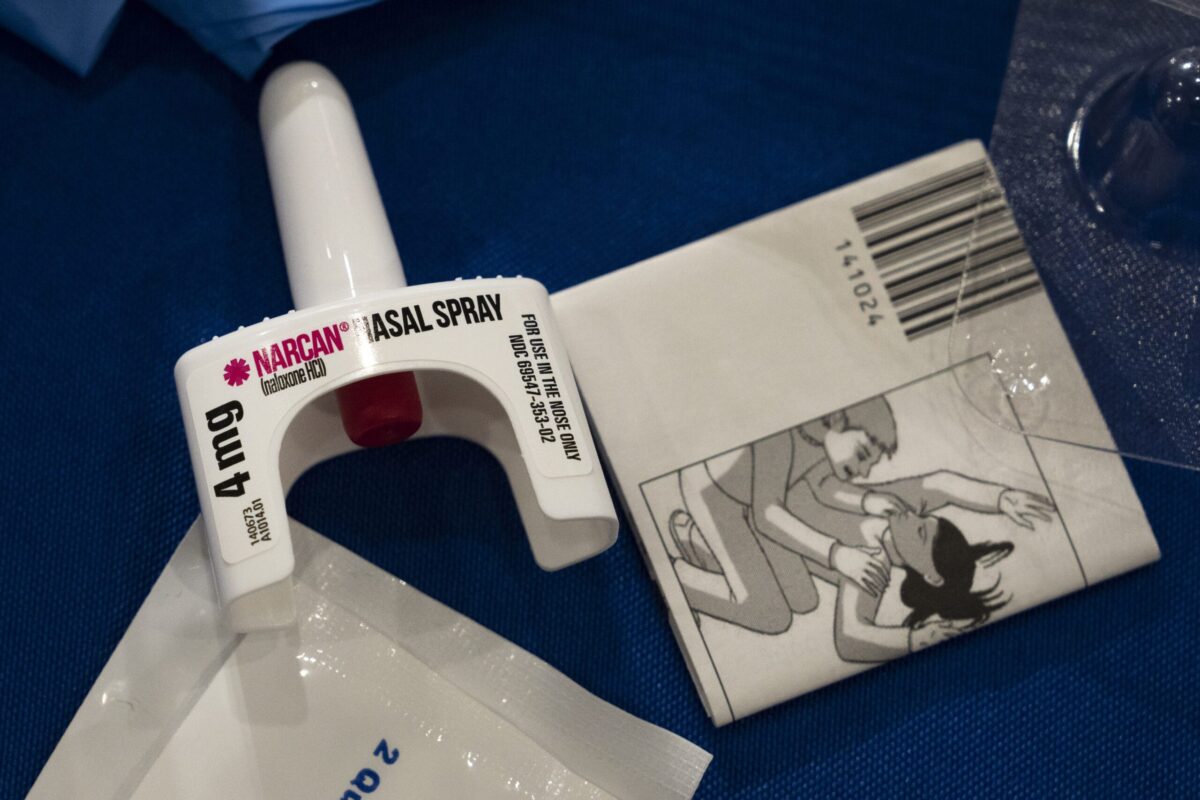
I mean, it’s very important. Again, I think everyone thinks they’re invincible. And why? Why learn? That’s not going to happen to me. Why learn that? I recently did something with End Overdose, and honestly, they taught me how to use Narcan, exactly what to do. I think it’s very important that every human being has that in their purse, I think, or in their car, or just have it by the grace of God, just have it with you. I feel like that’s insanely, insanely important. I mean, my brother inspire… My brother, I think my biggest takeaway from him passing and he gave me, this part makes me emotional because he gave me purpose. I feel like before his passing, I didn’t really know a lot… I mean, I was young in my defense, but I didn’t know a lot about just the passion and purpose.
And yes, I worked. Yes, I loved my career very much, but he gave meaning and purpose behind everything I do. So when I do… He loved acting. So acting now to me is just I love… I don’t know. I always say I feel like his passion went into me, but it’s true. Everything I do, whether it be this podcast or teaching people how to stop an overdose or just educating themselves on the topic, it has purpose to me. I think because it has so much purpose, so much meaning, everything I do in my life since he passed has… Yeah, the simplest way is purpose.
He gave me a reason to be here, and I think adults struggle with it now and I think his struggle with it is like, “What am I doing? What’s my passion? What’s my purpose?” And I thank him every single day because he put so much meaning into my life. So much. I struggled with anorexia right before he passed away. I was so depressed. I was in such a horrible state of mind. And it’s weird. It’s like when he passed away, it was almost like, what are you doing? Get it together. And he healed me and my life. I think it’s interesting because my parents always thought I was the one that was going to be the problem and they were very worried about me and my life and if I was going to make it or not. And then a complete plot twist happened was my brother.
I don’t know if it’s a maturity thing or if it was just a wake-up call, but it shot me into, you get it together. And I feel my brother with me. And I always say I have a one-up I think in the heaven world because I do feel like I’m being guided by him, and he’s protect… I have a ring around me where nothing bad can… Obviously bad things can happen to me and they do. But I mean the energy, I feel like he has something around me and he’s leading me. And so yeah, he is my purpose for everything. And have fun. How great to do something and be like, “Oh, this has so much meaning because of him.” And that’s so cool. That’s so cool to get a job or you meet a person or connect with someone and be like, “You have no idea how much this means to me because of him.”
Human interaction means so much to me. I couldn’t imagine living without that. That’s such a dull way to live for me personally. So his death did bring a lot of crazy realizations that I’m forever thankful for in my life. I have to be or else I’d be depressed, so I have to live like this. These have to be my thoughts.
Elizabeth Vargas:
Really amazing that you managed to take this grief and transform it into a real joy of living because I guess you know how precious life is because the fact that you have… Were you not acting before? Were you just modeling, and then because of Daniel’s death and because he was an actor, you became an actor?
Meredith Mickelson:
He pushed me. I always wanted to do it, but I was like, this is insanely hard. It’s way out of my league. He always pushed me to do it. He got me into classes when he was alive. And then when he died, I don’t know what happened, and I swear it was some spiritual thing of it just went into me and it was like, go, do it, go. And I remember booking my first role and crying because I was like, I could feel him. When he first passed away, I could feel him a lot. I could feel his spirit. I could feel like things were happening to where I was like, I know he’s here. But yeah, he got me into acting, and I swear I’ve always wanted to do it, but just I didn’t have the guts to do it, and I do feel it went into me and that’s my whole purpose.
I don’t want to say acting’s my whole purpose, but that’s where my goals and my heart and desires and means the most to me for sure is that. But when I say this is how I experience his death, I also do want to very much highlight that there is so many dark moments. There are so many moments that I break down. There’s a lot of difficulties of the thoughts and the stuff. It’s more of I have to talk myself down this route so I follow it and I don’t let myself stay in those dark moments, which do happen and are often and dealing with those things. I have to keep going on that path as much as I can.
Elizabeth Vargas:
It’s a journey and it’s a lifelong journey.
Meredith Mickelson:
Absolutely.
Elizabeth Vargas:
And the path becomes potentially a little less rocky, but it will always be there for you. Thank you so much for joining us to talk about your brother and to talk about what you’re doing to help raise awareness that if, God forbid, somebody finds themself in a situation where they’re seeing somebody who might be overdosing, that they’ll know what to do because you have moments in which you can save someone’s life.
Meredith Mickelson:
Absolutely. Absolutely. Thank you for having me. I mean, this is what means the most to me on the face of the planet. So I just have to say I admire you more than anything for doing this and I appreciate you having me on more than you can imagine. And I just think everything you’re doing is incredible and it’s truly an inspiration to me. And I know you’re also saving so many lives. So for that, I think the world of you and thank you.
Elizabeth Vargas:
Thank you so much. It was lovely to meet you.
